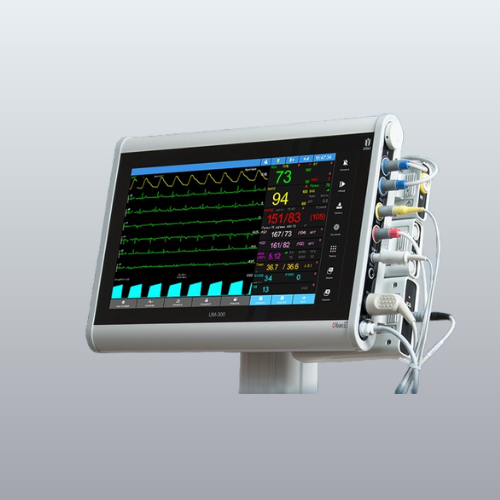
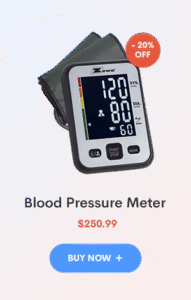
Patient monitors are devices used to measure, record, and display various. patient parameters such as heart rate and rhythm, SPO2, blood pressure, temperature, respiratory rate, blood pressure, blood oxygen saturation, et. cetera to keep a track of the patient’s health and provide them with high- quality.
Purpose: Continuous oxygen from air for low O2 levels.
Features: 1-10L/min, portable, filters to 90%+ purity.
Doctor specs: Flow rate adjustable, pulse dose.
Simple: Machine makes oxygen at home, no cylinders needed.
Oxygen concentrators, also called oxygen generators, are medical devices used in oxygen therapy. They help people who have lung conditions or trouble breathing by supplying the oxygen their bodies need to work properly.
Unlike oxygen tanks that must be refilled or replaced, an oxygen concentrator pulls in air from the surrounding environment and filters it to deliver oxygen that is about 90% to 95% pure. The oxygen is inhaled through a face mask or a nasal cannula, which is a small tube with two prongs that fit into the nostrils.
An oxygen concentrator should only be used if it is prescribed by a healthcare provider. Using oxygen when it isn’t needed can cause long-term damage to the lungs.
Who is suitable for an ICU ventilator at home?
Patients needing long‑term critical care or ventilator support, where doctors feel stable ICU‑level care can safely continue at home.
Is home ICU care safe for ventilator‑dependent patients?
Yes, when there is the right equipment, stable power, oxygen backup, trained ICU nurses and a clear emergency transfer plan.
Will there be a nurse with the ventilator at home?
Home ICU models include skilled nurses who manage ventilators, oxygen therapy, IV medicines and infection control under doctor supervision.
What if there is a power cut while on ventilator?
Home ICU setups must have stable electricity, backup power and backup oxygen, plus an emergency response protocol.
Is home ICU cheaper than hospital ICU?
Home ICU is often more cost‑effective than prolonged ICU stays, while allowing care in a familiar environment.
What emergencies should make us call ambulance immediately?
Sudden fall in consciousness, severe breathing difficulty, low oxygen despite support, seizures or major bleeding require urgent emergency services.